
Skip Navigation

Exploring new Frontiers Research Areas driving Innovation

Research Areas in CARE

The Research Areas (RAs) within CARE provide a foundation of essential methods and theoretical principles, bringing together expertise from multiple disciplines. They focus on the three core aspects of construction: Building Materials (RA1), Structural Design (RA2), and Manufacturing Technologies (RA4). Two cross-sectional areas – Digital Methodologies (RA4) and Integrated Sustainability Frameworks (RA5) – support breakthroughs toward CARE’s objectives.

  • RA1 develops innovative, CO₂-neutral, and circular building materials with multifunctional properties that combine sustainability and performance.
  • RA2 designs resource-efficient structures through material minimization, modular construction, and intelligent monitoring to extend service life.
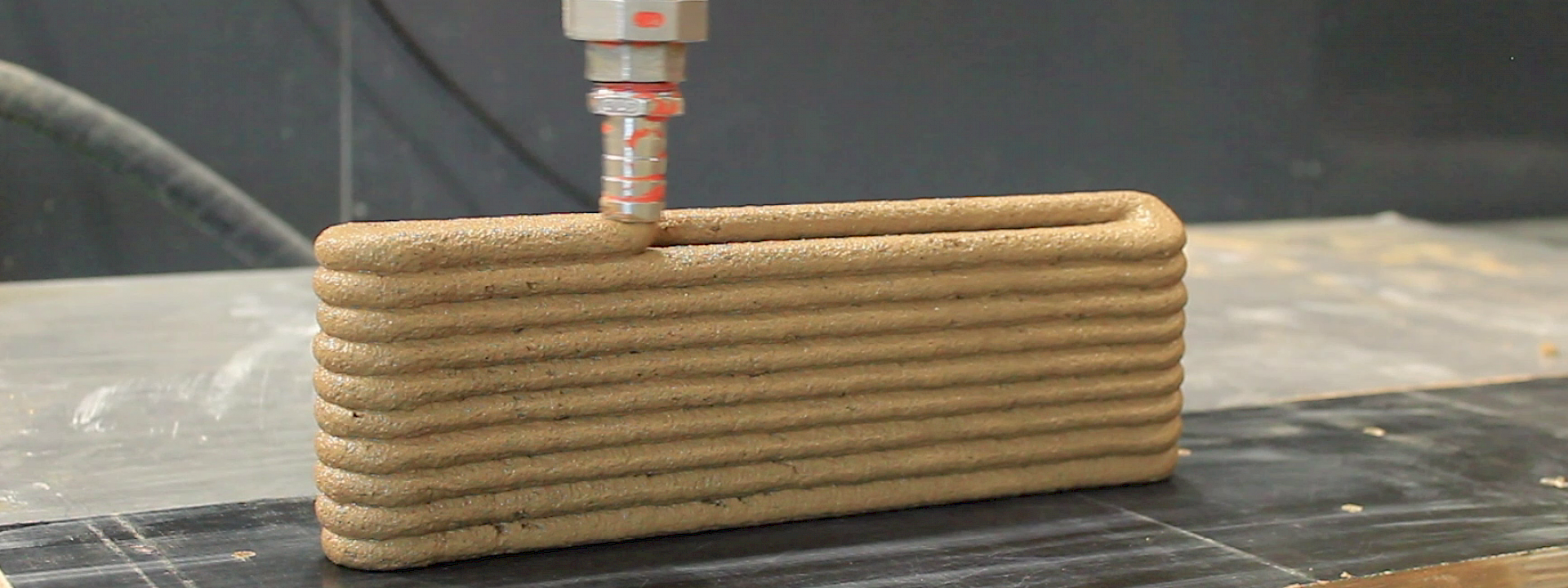
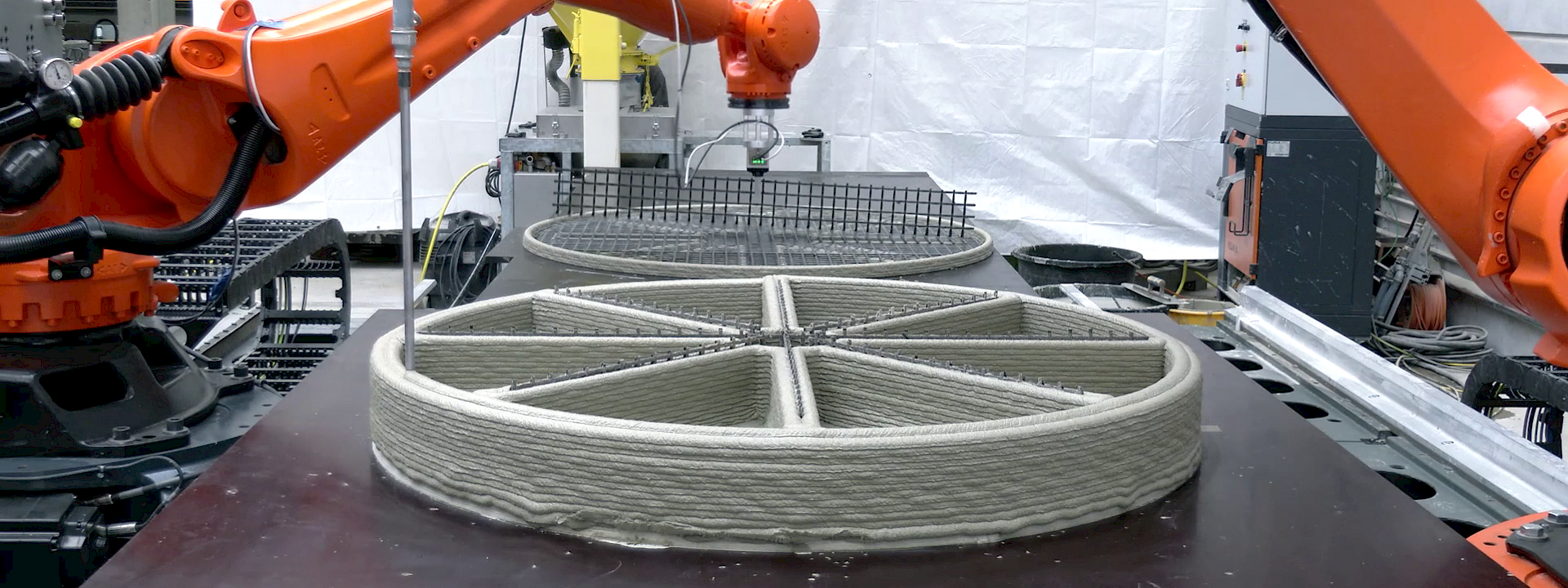
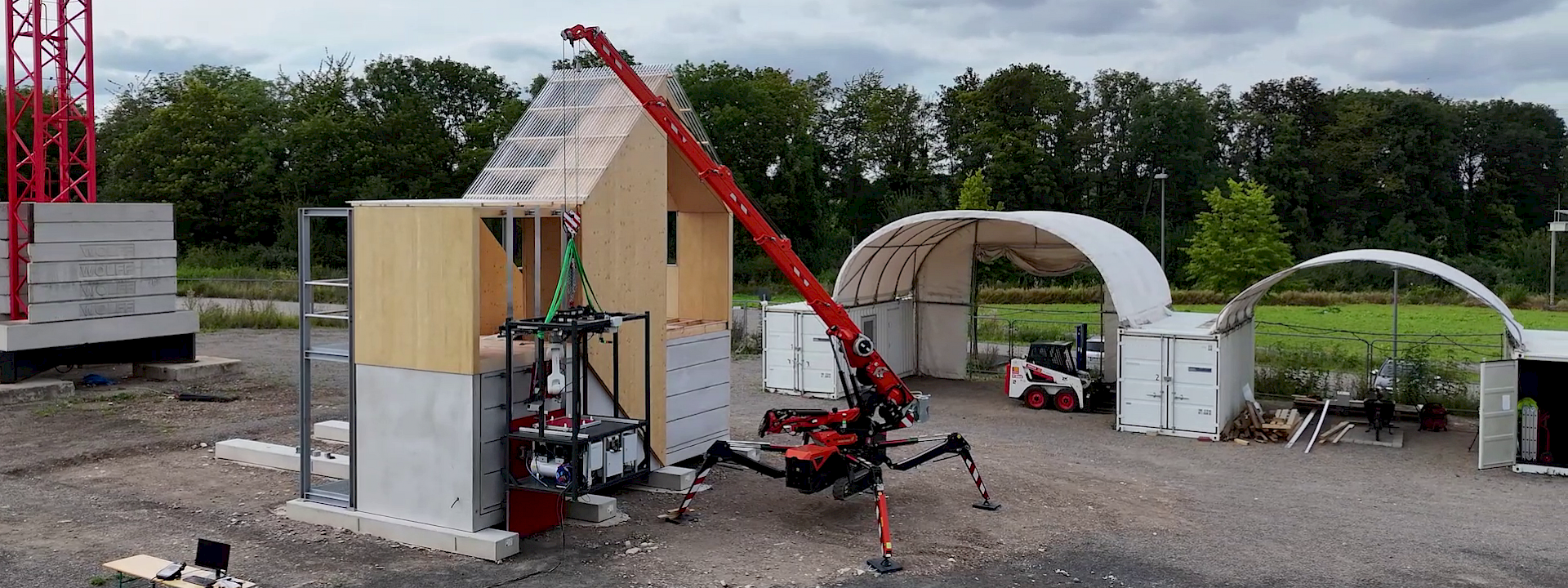
  • RA3 enables efficient, automated, and connected construction processes that optimally utilize these new materials and concepts for sustainable, future-proof construction.
  • RA4 will create algorithms that enable groundbreaking advances in RA1-RA3 and lead to a fundamental digital transformation of the entire value chain.
  • RA5 will guide disruptive transformations by directing the explored solutions towards the goal of sustainable and resilient construction.

RA1

Climate-neutral and circular building materials are the foundation for reaching CARE’s goals.

RA1-1 Novel Resources
  • Developing a method to obtain reactive mineral-based binders, ensuring carbon neutrality and using green energy throughout the process
  • Identifying and developing methods to use CO2 as an effective reactant for producing modern building materials
  • Developing strategies to fully exploit the huge potential of secondary raw materials
RA1-2 Material Circularity
  • Developing methods to achieve a fully circular use of cementitious binders
  • Enhancing strength and durability of earth-based materials while maintaining their potential for circularity
  • Achieving circular high-performance fiber reinforcements and polymers
RA1-3 New Functionalities
  • Detecting and assessing critical cracks
  • Building materials to sense and discriminate moisture and critical media
  • Developing approaches to capture energy using building materials

RA2

Novel design and construction principles are key to resource-saving, resilient, and adaptable structures with net-zero carbon footprint.

RA2-1 Material Minimization
  • Exploring novel design principles for material minimization using generative AI inspired by historic role models, other engineering disciplines, and nature
  • Optimizing structural topology inside internally resolved flat components
  • Characterizing the impact of circular automated fabrication techniques on mechanical performance of innovative mineral-based components
RA2-2 Structures for Circulartiy
  • Facilitating reuse – Strategies for integrating building components recovered from existing structures into new structural contexts
  • Designing a framework using tessellation optimization algorithm for precast and recovered building components
  • Exploring high-performing detachable connections for robot-assisted assembly and disassembly
RA2-3 Extended Use of Structures
  • Enhancing structural longevity: minimally invasive robot-assisted strengthening methods for extending the service life of existing structures
  • Transforming existing structures into smart, data-informed systems that autonomously report on their structural condition, remaining service life, and necessary maintenance procedures

RA3

Innovative manufacturing technologies enable automating construction processes to boost productivity and address labor shortages.

RA3-1 Circular Automated Construction
  • Exploring scalable construction technologies with climate-neutral materials via automated heavy-payload construction machines
  • Achieving high-quality circular reuse through automated deconstruction
  • Enabling novel construction principles using autonomous multi-agent heavy-payload systems
RA3-2 Cognitive Production Systems
  • Optimizing prefabrication with automated process monitoring and quality control
  • Exploring requirements for cognitive robots to enhance resilience, flexibility, and safety in construction
  • Establishing adaptive, resilient, technical cognition-based methods for infrastructure rehabilitation
RA3-3 CARE Process Ontology
  • Holistic, real-time, seamless data integration into prefabrication, (de-)construction, and reconstruction processes via process ontologies
  • Ontology-based process control for efficient, adaptive human-cyber-physical construction systems (HCPCS)
  • Advanced construction process control through multi-modal data integration

RA4

Digitalization enables climate-neutral construction through data-driven semantic modeling, geometric design optimization, and enhanced data interoperability.

RA4-1 Data Acquisition, Integration, and Representation
  • Leveraging new sensors and data acquisition techniques for material and structural design at different scales
  • Semantic integration and fusion of heterogeneous data sources based on an open and federated data space
RA4-2 Data Analysis
  • Leveraging geometric data analysis for material and structural design
  • Enriching 3D geometries and models based on non-geometric data analysis
RA4-3 Data Synthesis
  • Supporting structural circularity and extended use through geometric operations on structure-scale 3D models
  • Generative models and reinforcement learning for structural and material design

RA5

Sustainability frameworks advance construction for future generations through life cycle assessments, circularity, and human-centric insights.

RA5-1 Sustainability Assessment
  • Enhancing the LCSA approach with digital methods to define sustainability requirements and thresholds for a sustainable construction sector
  • Increasing relevance of Sustainability Assessment by providing robust results across regions and timeframes
  • Developing a method to assess key social impacts across the entire value chain while minimizing trade-offs
RA5-2 Circularity and Resource Nexus
  • Characterizing the resource nexus implications, functions, and measurement approaches to achieve full circularity
  • Developing circularity criteria addressing circular materials, and new and reused building components
  • Leveraging human factors to ensure acceptance, prevent implementation barriers, and promote circularity in construction
RA5-3 Human-centered Sustainability Factors
  • Understanding stakeholder perceptions of new materials, designs, and construction techniques, and optimizing perceived sustainability
  • Optimizing participatory decision-making processes in construction projects to boost engagement and sustainability
  • Developing a methodological framework to address the main sustainability indicators in construction, aligned with directives like the European Taxonomy